Luxury travel in Peru, South America: how top attractions pair with high-end stays
Why attractions in Peru, South America pair so well with luxury stays
Peru is a country where ancient history, refined hospitality, and dramatic landscapes meet. For travelers planning a premium trip, the most memorable attractions in Peru, South America align beautifully with high end hotels and curated services. This combination lets you visit each city and region in comfort while still feeling close to the natural environment.
Many guests start their Peru itinerary in Lima, a coastal city that blends colonial architecture, world class gastronomy, and ocean views. Staying in a luxury hotel in the Miraflores or Barranco districts gives you time to visit museums by day and enjoy tasting menus at night, such as a multi course ceviche and tiradito experience paired with pisco cocktails, which is one of the best things about an urban stay. From Lima you can plan a day trip by air to the Nazca Lines or fly onward to Cusco, using the capital as a polished gateway to the rest of South America; nonstop flights between Lima and Cusco usually take about 1 hour and 20 minutes.
When you visit Peru for the first time, you quickly notice how varied the attractions feel from one day to the next. One day might focus on the Inca legacy in Cusco and the Sacred Valley, while the next takes you to the Amazon jungle or a remote national park. This variety means there are lots of ways to balance cultural things in Peru with time at a spa, a rooftop pool, or a quiet suite overlooking a plaza in a historic city, especially if you follow basic high altitude acclimatization tips such as building in gentle first days and staying hydrated.
Iconic Andean highlights: Cusco, Machu Picchu, and the Sacred Valley
Cusco is the historic Inca capital and the main city hub for high altitude attractions in Peru, South America. Luxury hotels here often occupy former mansions or convents, such as Belmond Palacio Nazarenas or Inkaterra La Casona, which allows you to feel the layers of the country’s history during every part of your trip. Staying near the main square keeps you close to the best things to see, from the cathedral to nearby Inca walls that still anchor the streets.
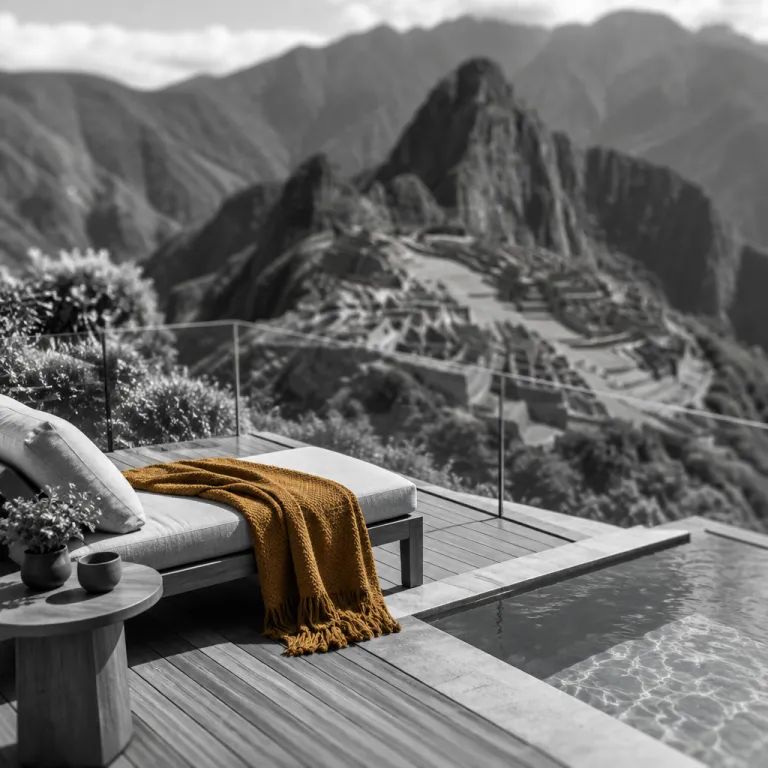
Most travelers visit Machu Picchu from Cusco, either by train or after completing the classic Inca Trail. A premium Machu Picchu tour usually includes timed entry, a private guide, and access to quieter viewpoints such as the Sun Gate, which rewards you with an incredible panorama of the citadel. If you have more time, consider a second day visit to Machu Picchu so you can explore both the upper terraces and the lower agricultural areas without rushing between things; luxury lodges near Machu Picchu and Aguas Calientes make it easy to stay overnight and catch the first light over the ruins.
The Sacred Valley lies between Cusco and Machu Picchu and offers some of the best countryside hotels in Peru. Here you can plan a day trip to sites like Pisac or Ollantaytambo, then return to a riverside suite with views of the surrounding mountains. For travelers who prefer full service properties where they can unpack and stay, this region is ideal, and you can compare several options using a dedicated guide to resorts in Peru that offer complete services, including private transfers to the train stations for Vistadome or luxury Hiram Bingham services toward Machu Picchu.
Beyond the classics: Rainbow Mountain, Colca Canyon, and Lake Titicaca
Once you have seen Machu Picchu, it is tempting to think you have covered the main attractions in Peru, South America. In reality, the Andean highlands offer lots of other natural highlights that pair beautifully with premium lodging. Rainbow Mountain, Colca Canyon, and Lake Titicaca each provide a different angle on the country’s landscapes and cultural depth.
Rainbow Mountain, also known as Vinicunca, has become one of the most photographed places to visit in Peru. A well planned tour with a private vehicle and acclimatization time in Cusco helps you manage the altitude, which is essential for an enjoyable day trip. Many luxury travelers now combine Rainbow Mountain with a quieter hike in the surrounding area, then return to a high end hotel that offers oxygen enriched rooms and spa treatments tailored to high altitude travel, such as coca leaf massages or aromatherapy designed to ease headaches.
Colca Canyon near the city of Arequipa is another highlight, famous for its condor viewpoints and terraced slopes. Here, staying in a premium lodge with hot springs access turns a scenic visit into a restorative part of your Peru itinerary, especially if you are coming from the demanding Inca Trail or a trek near Huascarán National Park. For those who want a more off the beaten path experience, planning a journey along the Salkantay route with the help of a specialist in luxury stays and high Andean horizons can be one of the best things you do in the country, particularly if you value small group trekking with lodge to lodge comfort.
Coastal and desert experiences: Lima, Paracas, and the Nazca Lines
The Pacific coast adds a different dimension to attractions in Peru, South America, especially for travelers who enjoy marine wildlife and desert scenery. Lima remains the main coastal city, but the region around Paracas and the Nazca Lines offers some of the most striking contrasts in the country. You can design a trip that moves from oceanfront suites to desert flights in just a single day.
Paracas is a popular place to visit for its proximity to the Ballestas Islands and the Paracas National Reserve. A luxury hotel facing the bay allows you to join a morning boat tour to see sea lions and birds, then spend the rest of the time relaxing by the pool or enjoying fresh seafood. For detailed inspiration on this stretch of coast, many travelers consult a curated overview of desert coast hotels where condors and sea lions share the view, and where private dune buggy rides or sunset picnics in the sand can be arranged.
The Nazca Lines, located inland from the coast, are best appreciated from a small aircraft, which can be arranged as a half day trip from nearby towns. Combining a flight over the Nazca Lines with a stay in a refined property in Ica or Paracas creates a balanced experience that mixes adventure with comfort. This coastal and desert arc also fits neatly into a broader Peru itinerary that includes Lima, Cusco, the Sacred Valley, and perhaps a final stop in the Amazon jungle, linked by domestic flights that usually take under two hours between major hubs.
Ancient cultures beyond the Inca: Chan Chan and Chavín de Huántar
While the Inca story dominates many attractions in Peru, South America, luxury travelers increasingly seek earlier archaeological sites. The adobe city of Chan Chan near Trujillo and the ceremonial complex of Chavín de Huántar in the highlands offer a deeper understanding of the country’s layered past. Visiting these places adds intellectual richness to a trip that might otherwise focus only on Machu Picchu and the Sacred Valley.
Chan Chan was once the capital of the Chimú kingdom and remains one of the largest adobe cities in the world. A private tour here lets you appreciate the intricate wall reliefs and ceremonial plazas, then return to a comfortable hotel in the nearby city with time to enjoy coastal cuisine. Travelers who value context often pair Chan Chan with visits to local museums, which helps them connect the things they see on site with artifacts preserved in climate controlled galleries and with broader narratives about pre Inca cultures in northern Peru.
Chavín de Huántar, located in the Andean highlands, predates the Inca by many centuries and showcases a different style of stone architecture and religious symbolism. Reaching Chavín de Huántar usually requires a full day trip from the regional hub, so staying in a premium property with reliable transport and flexible meal times makes the journey smoother. Including both Chan Chan and Chavín de Huántar in your Peru itinerary highlights how this country has been a cultural crossroads in South America for thousands of years.
Wild Peru: Huascarán National Park and the Amazon jungle
For travelers who value wild landscapes, some of the most compelling attractions in Peru, South America lie far from the main city centers. Huascarán National Park in the Cordillera Blanca and the Amazon jungle in the east showcase the country’s natural extremes. Both regions now offer upscale lodges that allow you to enjoy these environments with a high level of comfort.
Huascarán National Park is a UNESCO listed area known for its glaciated peaks, turquoise lakes, and high altitude trekking routes. Many visitors base themselves in the town of Huaraz, then arrange guided hikes and scenic drives into the park, choosing day trip options that match their fitness and available time. After hours on the trail, returning to a hotel with heated rooms, attentive service, and refined dining can feel like one of the best things about combining adventure and luxury in Peru, especially if you end the day with a hot infusion while watching the last light on the snowcapped summits.
The Amazon jungle offers a different rhythm, with lodges accessible by riverboat from cities such as Iquitos or Puerto Maldonado. Here, a typical trip includes early morning wildlife excursions, daytime canopy walks, and night time boat rides in search of caimans and other creatures. Choosing a premium lodge with strong conservation practices ensures that your visit supports the protection of the natural environment, which is increasingly important for responsible travel in South America, and many properties now include activities such as guided night walks or visits to research stations as part of their programs.
Planning your time: crafting a balanced luxury Peru itinerary
Designing a refined journey through the main attractions in Peru, South America requires careful attention to pacing. Altitude changes, flight schedules, and the sheer variety of things to see mean that you should allow enough time in each city and region. Many travelers find that focusing on fewer places to visit, but staying longer in each, leads to a more satisfying trip.
A classic luxury Peru itinerary might begin with two or three days in Lima, followed by several days in Cusco and the Sacred Valley, then an overnight or two near Machu Picchu. From there, you could add Lake Titicaca, the Colca Canyon, or the Amazon jungle, depending on your interests and the total duration of your travel. Building in rest days at full service resorts or spa focused properties helps you enjoy the best things in each area without feeling rushed between activities, and business or premium economy cabins on longer domestic legs can make the overall journey more comfortable.
When deciding the best time to visit Peru, consider both weather patterns and local festivals, especially in the highlands. Dry season months are usually preferred for the Inca Trail, Rainbow Mountain, and Huascarán National Park, while the Amazon jungle can be visited year round with different wildlife highlights at different times. Whatever combination you choose, remember that this country rewards unhurried exploration, and that thoughtful planning turns a list of famous sites into an incredible, coherent journey through South America.
Key figures for luxury travel and attractions in Peru
- Peru welcomed more than 4.4 million international tourists in 2019, with Machu Picchu alone receiving around 1.5 million visitors annually according to PROMPERÚ and UNESCO reports, showing how central this single site is to most itineraries.1
- Lake Titicaca sits at around 3 800 metres above sea level, which makes acclimatization days in Cusco or the Sacred Valley essential for many travelers, especially those arriving directly from coastal cities.2
- Huascarán National Park protects roughly 3 400 square kilometres of high Andean ecosystems, including dozens of peaks above 6 000 metres, underlining its importance for both mountaineering and conservation focused tourism.3
- The Nazca Lines cover an area of nearly 1 000 square kilometres in the coastal desert, and regulated overflight routes help manage both visitor safety and the preservation of the geoglyphs.4
- Studies by the World Travel & Tourism Council indicate that high value travelers tend to spend significantly more per day on accommodation and guided experiences, which aligns with the growth of luxury lodges in the Amazon jungle and the Sacred Valley.5
1 Figures based on pre 2020 tourism statistics from PROMPERÚ and UNESCO visitor data for Machu Picchu. 2 Approximate elevation from Peruvian geographic surveys. 3 Protected area size from UNESCO World Heritage Centre documentation. 4 Surface estimates from archaeological and cultural heritage studies of the Nazca desert. 5 Spending patterns summarized from World Travel & Tourism Council reports on high value tourism.
FAQ about luxury travel and attractions in Peru, South America
How many days do I need for a luxury trip to Peru ?
For a balanced luxury itinerary that includes Lima, Cusco, the Sacred Valley, and Machu Picchu, plan at least ten to twelve days. This allows time for acclimatization, unhurried sightseeing, and rest days in premium hotels. Adding regions such as Lake Titicaca, the Amazon jungle, or the Colca Canyon usually requires several extra days.
What is the best time to visit Peru for high end travel ?
The dry season from roughly May to September is generally the best time to visit Peru for clear skies in the Andes and more reliable conditions on the Inca Trail and at Rainbow Mountain. Coastal areas like Lima and Paracas are cooler and often overcast during these months, while the Amazon jungle remains warm and humid year round. Shoulder months can offer fewer crowds at major attractions in Peru, South America, which some luxury travelers prefer.
Do I need to book Machu Picchu and the Inca Trail far in advance ?
Yes, both Machu Picchu entry tickets and Inca Trail permits are limited and can sell out weeks or months ahead, especially in peak season. Luxury travelers who want specific train classes, premium guides, or suites in high demand hotels near the site should confirm arrangements as early as possible. Working with a specialist agency or a dedicated Peru travel platform helps coordinate these elements into a single, coherent trip.
Can I combine the Amazon jungle with other major attractions in one itinerary ?
Combining the Amazon jungle with Cusco, Machu Picchu, and the Sacred Valley is very feasible thanks to regular flights linking jungle gateway cities with the highlands. Many travelers spend three or four days in a lodge before or after their Andean segment, which balances wildlife focused activities with cultural visits. Choosing flights that minimize backtracking helps you use your time efficiently while maintaining a comfortable pace.
Are luxury options available near less visited sites like Chan Chan or Chavín de Huántar ?
While the range of properties is narrower than in Lima or Cusco, you can still find comfortable, often upscale hotels in regional hubs such as Trujillo or Huaraz. These bases allow you to visit Chan Chan or Chavín de Huántar on organized day trips with private transport and expert guides. For travelers interested in archaeology, adding these sites can turn a classic Peru itinerary into a more distinctive and intellectually rewarding journey.