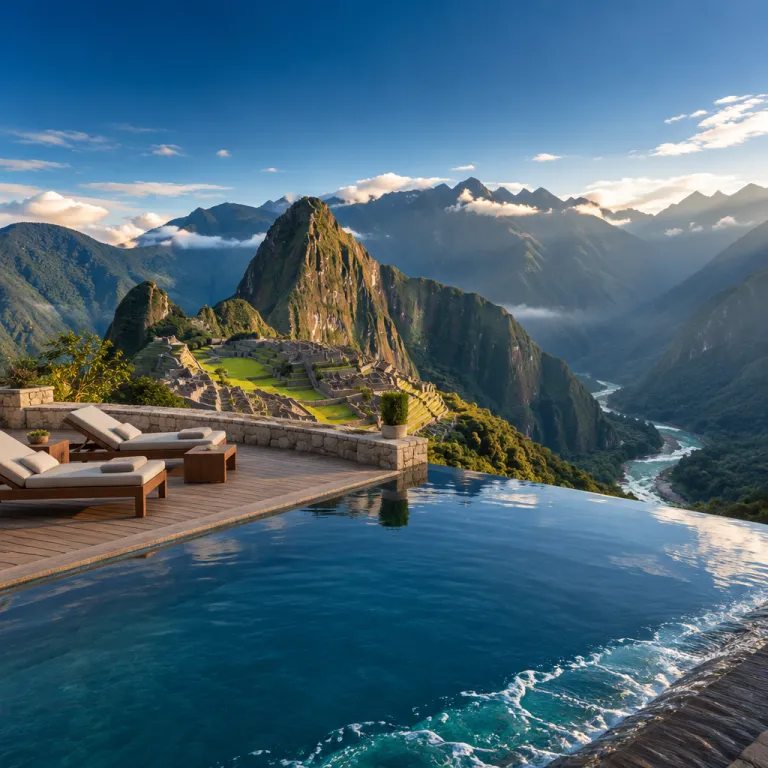
Machu Picchu tour packages that pair iconic ruins with refined stays
Machu Picchu tour packages aimed at discerning travelers start with one essential choice: how many days you will devote to both the journey and the destination. A two or three days Peru itinerary focused only on the citadel can feel rushed, while a longer trip that includes Cusco, the Sacred Valley, and an overnight in Aguas Calientes allows a richer experience with time to enjoy your luxury hotel. When you plan your travel, think of each day as a chapter in a wider story that links the Inca Trail, the sacred landscape, and the comfort of your chosen property.
Most high end itineraries begin in Cusco, where altitude and heritage meet in restored mansions and contemporary luxury Peru design. From here, curated tour packages lead you through the Sacred Valley, combining private transport, expert guides, and flexible adventure days that can include a gentle hike, a market visit, or a gourmet picnic with a view of the Andean peaks above the valley. This balance between curated tour structure and personal freedom is what separates the best tour package options from generic group trips.
For travelers who want to feel the Inca legacy underfoot, the classic Inca Trail remains a benchmark, yet it is not the only way to reach Machu Picchu. Luxury operators now offer a shorter Inca Trail day hike, lodge to lodge trek Machu routes, or a scenic train based Picchu tour that still delivers dramatic views without demanding multi days hikes. When you view itinerary samples from trusted agencies, look for clear information about trail difficulty, nights in Cusco, and how many days nights you will actually spend near Machu Picchu itself.
Choosing the right Machu Picchu access for your travel style
Every route to Machu Picchu shapes your overall experience, so your choice of trail or train matters as much as your hotel. The classic four days Peru Inca Trail offers a sequence of high passes, cloud forest, and stone steps that culminate in a sunrise entrance through the Sun Gate, which many travelers consider the best way to first see the citadel. However, this trek Machu option requires good fitness, advance permits, and a willingness to trade some luxury comforts for the privilege of camping on an ancient path.
If you prefer a softer adventure, a one day Inca Trail hike combined with a night in a luxury Aguas Calientes property can be ideal. You still walk a historic trail section, reach Machu Picchu on foot, and then return to a spa suite, fine dining, and a curated wine list that reflects the best of Peru and South America. For travelers who want maximum comfort, train based Machu Picchu tour packages with panoramic carriages, private guides, and luggage handling allow you to focus on the view itinerary highlights rather than logistics.
Some travelers now choose the Salkantay trek as an alternative, combining remote valleys, glacier views, and lodge stays that feel closer to a luxury Peru mountain retreat than a traditional campsite. A multi days nights Salkantay trek can be paired with a final night in Cusco lake region properties around Piuray or Huaypo, creating a softer landing after the high altitude adventure days. Whatever route you select, ensure your tour package clearly states how many days you will hike, where you will sleep each night, and how your luggage is managed between Cusco and Machu Picchu.
From Cusco to the Sacred Valley and Machu Picchu ; mapping a luxury arc
Thoughtful Machu Picchu tour packages treat Cusco, the Sacred Valley, and the citadel as a single elegant arc rather than separate stops. Starting with two or three days in Cusco Peru allows your body to adjust to altitude while you enjoy refined hotels, colonial plazas, and contemporary Andean cuisine. Many luxury properties here, such as Belmond Hotel Monasterio or Palacio del Inka, offer oxygen enriched rooms, spa circuits, and private guides who can tailor each day to your interests, whether that means art galleries, Inca ruins, or a gentle city hike.
From Cusco, you descend into the Sacred Valley, where lower altitude and softer light create ideal conditions for relaxed exploration. A well designed tour package will include at least two days nights in the valley Machu region, giving you time to visit Pisac, Ollantaytambo, and local weaving communities without rushing between sites. Look for itineraries that balance structured tour elements with free time at your hotel, so you can enjoy the pool, gardens, or a private yoga session with mountain views.
Travelers who time their trip for the Andean shoulder season often benefit from quieter sites and more attractive luxury Peru rates. For those seeking value without sacrificing comfort, reviewing a savvy Peru shoulder season strategy can help align your Machu Picchu tour packages with optimal weather and pricing. Whether you choose three, five, or seven days Peru in this region, ensure your view itinerary includes at least one unstructured day to simply enjoy your property and the sacred landscape around it.
How many days to allocate between valley and citadel
For most travelers, a balanced Machu Picchu focused trip includes one or two nights in Cusco, two or three nights in the Sacred Valley, and one or two nights near Machu Picchu itself. This structure allows you to acclimatize gradually, enjoy both urban and rural settings, and still have enough time at the citadel for a sunrise visit or an extra hike. When comparing tours packages, pay attention not only to how many days are advertised, but also to how those days nights are distributed between each destination.
High end operators often recommend arriving in Cusco lake region early in the day, so you can rest, hydrate, and take a gentle city tour before heading into the valley. The next day might focus on the sacred sites of Pisac or Moray, followed by a relaxed evening at your luxury hotel, where you can review the next day’s view itinerary with your guide over a tasting menu. On the final valley day, you typically visit Ollantaytambo before boarding the train to Aguas Calientes, where a riverside suite and spa treatment prepare you for your first full day at Machu Picchu.
Some travelers choose to reverse this flow, heading straight to the Sacred Valley from the airport to sleep lower and then returning to Cusco at the end of the trip. Both approaches can work well, but the key is to avoid packing too many sites into a single day, which can make even the best tour feel exhausting. A thoughtful tour package will build in rest periods, flexible start times, and options for shorter hikes, ensuring that your Inca Trail or alternative trek Machu segments enhance rather than dominate your overall experience.
Arequipa, Lake Titicaca, and Cusco ; a refined southern Peru circuit
Many sophisticated Machu Picchu tour packages now extend beyond Cusco to include Arequipa and Lake Titicaca, creating a southern Peru circuit that feels both coherent and indulgent. Arequipa, known as the White City, offers elegant colonial architecture, refined gastronomy, and a lower altitude starting point that can ease your acclimatization before heading to Cusco Peru. Luxury hotels here often feature courtyards carved from sillar stone, rooftop terraces, and views of the surrounding volcanoes that frame your first days in South America.
Understanding how altitude shapes your stay is essential when planning this wider trip. A detailed guide to Arequipa’s altitude and refined stays can help you decide whether to begin your days Peru itinerary here before moving on to Cusco and the Sacred Valley. From Arequipa, many travelers continue to Lake Titicaca, where luxury lodges on private peninsulas or islands offer serene views, curated cultural experiences, and carefully paced excursions by boat.
Lake Titicaca adds a contemplative dimension to your journey, contrasting with the more active hike and trek elements around Machu Picchu. A two or three days nights stay here allows time to visit Uros and Taquile, enjoy a lakeside picnic, and return each evening to a warm suite and Andean fusion cuisine. When integrated into a broader tour package, this Cusco lake and high plateau segment can either precede your Machu Picchu visit or provide a gentle finale after the intensity of the Inca Trail or Salkantay trek.
Linking Lake Titicaca and Cusco with comfort in mind
The journey between Lake Titicaca and Cusco can be a highlight in itself when handled thoughtfully. Luxury Peru operators often use scenic trains such as PeruRail’s Titicaca service or premium overland services that transform a long transfer day into a rolling tour, with stops at Inca sites, colonial churches, and sweeping valley viewpoints. On these routes, you will appreciate spacious seating, attentive service, and curated commentary that connects the lake, the valley, and the Machu heartland.
When you view itinerary options, look for clear timing details, meal inclusions, and how luggage is handled between hotels. Some travelers prefer to break the journey with an overnight in a smaller Andean town, turning a single long day into two shorter, more relaxed days Peru on the road. This approach can be especially helpful if you are combining Lake Titicaca, Cusco, and Machu Picchu within a single tour package that already includes several early starts and active days.
Once in Cusco Peru, you can transition smoothly into the Machu Picchu segment of your trip, whether that means a classic Inca Trail trek Machu, a train based Picchu tour with PeruRail or Inca Rail, or a hybrid itinerary that mixes short hikes with comfortable hotels. The key is to ensure that each leg of your travel supports the next, so you arrive at Machu Picchu rested, acclimatized, and ready to fully appreciate both the sacred site and the luxury property you have chosen nearby. Thoughtful sequencing of lake, valley, and citadel will always elevate your overall experience.
Rainbow Mountain, Salkantay, and alternative treks for active luxury travelers
For travelers who want more than a single hike, many Machu Picchu tour packages now weave in Rainbow Mountain and alternative treks such as the Salkantay trek. Rainbow Mountain, or Vinicunca, has become a popular day excursion from Cusco, yet its altitude and weather require careful planning, especially if you value comfort and safety. High end operators mitigate these challenges with early departures, smaller groups, oxygen on board, and options for shorter hike segments that still deliver the best views.
The Salkantay trek offers a compelling alternative to the classic Inca Trail, especially for those who prefer lodge based comfort over camping. On this route, you will cross high passes, descend into cloud forest, and eventually connect with the valley Machu region, often finishing with a night in Aguas Calientes before your Machu Picchu visit. Many luxury Peru itineraries present Salkantay as a multi days nights adventure days module that can be added before or after a more traditional tour package focused on the Sacred Valley and the citadel.
When comparing these active options, pay close attention to altitude profiles, daily distances, and the level of support provided by your chosen operator. A well designed trek Machu or Rainbow Mountain excursion should include acclimatization days in Cusco or the Sacred Valley, clear contingency plans for weather, and transparent information about what level of fitness is required. For travelers who value both challenge and comfort, the best tours packages will always balance demanding hike segments with restorative hotel stays, spa access, and flexible rest days.
Integrating active days without overwhelming your itinerary
It can be tempting to pack every possible trek and hike into a single trip, yet this often leads to fatigue that undermines your enjoyment of Machu Picchu itself. A more refined approach is to select one major trek, such as the Inca Trail or Salkantay trek, and then add one or two shorter adventure days, perhaps a Rainbow Mountain excursion or a half day hike in the Sacred Valley. This structure allows you to experience the full range of Peru’s landscapes while still arriving at Machu Picchu with energy and enthusiasm.
When you view itinerary proposals from different agencies, look for how they distribute active and restful days across your overall days Peru schedule. Ideally, a challenging trek Machu segment will be followed by at least one lighter day in a luxury hotel, perhaps in Cusco or the valley Machu region, where you can enjoy spa treatments, slow breakfasts, and unhurried evenings. This rhythm of exertion and recovery is especially important at altitude, where even experienced hikers can find that they need more time to rest than at sea level.
Active travelers should also consider how their chosen tour package handles logistics such as luggage transfers, emergency support, and communication during remote segments. The best operators will provide clear briefings, reliable equipment, and guides trained not only in trail navigation but also in guest care and safety. With this level of support, you can focus on the Inca stonework under your boots, the shifting colors of Rainbow Mountain, and the anticipation of your first view of Machu Picchu, rather than worrying about the next transfer or hotel check in.
Paracas, the desert coast, and how coastal stays complement Andean circuits
While Machu Picchu tour packages naturally focus on the Andes, adding a coastal segment in Paracas can transform your Peru itinerary into a more balanced journey. Paracas lies on the Pacific, where desert cliffs meet the ocean and wildlife rich islands sit just offshore, offering a striking contrast to the highland valleys around Cusco and Machu Picchu. Many luxury Peru travelers choose to begin or end their trip here, using a few days to unwind in oceanfront suites before or after the more active Inca Trail or trek Machu segments.
High end properties in Paracas emphasize wide terraces, sea views, and easy access to excursions such as boat trips to the Ballestas Islands or drives into the Paracas National Reserve. A detailed guide to desert coast hotels where condors and sea lions share the view can help you select a property that matches your expectations for service, privacy, and amenities. When integrated into a broader tour package, this coastal stay can provide a gentle landing after several days nights at altitude, allowing your body to rest while you still enjoy curated experiences.
From a logistical perspective, Paracas connects smoothly with Lima, which in turn serves as the main gateway for flights to Cusco Peru and other Andean hubs. Some travelers choose to spend a night in Lima, then transfer by road to Paracas for two or three days before flying onward to Cusco and the Sacred Valley. This sequence can be especially appealing for those arriving from long haul South America flights, as it offers time to adjust to the new time zone and climate before tackling the more demanding hike and trek elements of their Machu Picchu focused trip.
Balancing coast, highlands, and lake regions in one itinerary
Designing a multi region itinerary that includes Paracas, Cusco, the Sacred Valley, Machu Picchu, and possibly Lake Titicaca requires careful attention to pacing. A typical structure might allocate two days in Paracas, one day in Lima, three or four days in the Cusco and valley Machu region, and two or three days at Lake Titicaca, with travel days clearly marked. When you view itinerary samples, ensure that transfer times are realistic and that you are not expected to combine long drives or flights with major hikes on the same day.
Luxury travelers often prioritize fewer hotel changes, even if that means slightly longer day trips from a central base. For example, you might choose a single high end property in the Sacred Valley and use it as a hub for day excursions, returning each evening to familiar staff, consistent service, and a well appointed suite. This approach can make your overall tour package feel more like a series of curated experiences anchored by a home base, rather than a constant unpack and repack cycle.
When coastal, highland, and lake segments are woven together thoughtfully, the contrasts between them enhance rather than compete with your Machu Picchu experience. The stillness of a Paracas sunset, the crisp air of a Cusco morning, and the mirror like surface of Lake Titicaca each frame your memory of the Inca citadel in a different way. In the end, the best tours packages are those that respect both the geography of Peru and the natural rhythms of human energy and rest.
How to read, compare, and trust luxury Machu Picchu tour packages
With so many Machu Picchu tour packages on the market, knowing how to evaluate them is essential for a successful trip. Start by examining the structure of each tour; how many days nights are included, how they are distributed between destinations, and whether there is a clear balance between guided activities and free time. A transparent view itinerary should list daily highlights, approximate timings, included meals, and the standard of accommodation in each location, from Cusco Peru to Aguas Calientes and beyond.
Next, look closely at how each operator handles logistics such as permits for the Inca Trail, train tickets, and timed entry slots for Machu Picchu. Reputable companies will explain how far in advance these elements must be secured, what happens if weather or strikes affect travel, and how they support guests with altitude or mobility concerns. When a tour package includes active components like a trek Machu segment or a Rainbow Mountain hike, you should see clear information about difficulty, daily distances, and what equipment is provided.
Trust also comes from how an operator communicates before you book. Responsive, detailed answers to your questions, realistic descriptions of hike and trek conditions, and honest advice about the best time of year to travel all signal professionalism. While online reviews can be helpful, focus on patterns rather than isolated comments, and prioritize feedback that mentions specific details such as guide quality, vehicle comfort, and how issues were handled during multi days Peru itineraries.
Aligning your expectations with the right level of luxury
Luxury means different things to different travelers, so clarifying your own priorities will help you choose the right Machu Picchu focused tour. Some guests value large suites, fine dining, and extensive spa facilities above all, while others care more about unique locations, cultural immersion, or access to quieter sections of the Inca Trail and sacred sites. When you discuss options with an operator, be explicit about what matters most, whether that is a particular hotel brand, a private guide throughout, or the flexibility to adjust each day’s activities.
Price differences between tours packages often reflect not only hotel categories but also group size, level of personalization, and how many internal flights or premium train services are included. A higher upfront cost can represent better value if it reduces hidden expenses on the ground and ensures smoother logistics between Cusco, the Sacred Valley, Machu Picchu, and any extensions to Lake Titicaca or Paracas. As you compare, calculate the effective cost per day, taking into account what is actually included in each days nights segment.
Finally, remember that the most memorable Machu Picchu tour packages are those that feel aligned with your own pace and style. A thoughtfully designed itinerary will give you time to pause on a quiet terrace in Cusco, to watch mist lift from the valley Machu slopes at dawn, and to reflect on the Inca legacy while still enjoying the comforts of a carefully chosen luxury hotel. When these elements come together, your trip becomes more than a checklist of sites; it becomes a coherent, deeply personal journey through one of South America’s most compelling landscapes.
Key statistics for planning luxury Machu Picchu and Peru stays
- According to PROMPERÚ’s tourism reports (for example, 2019 and 2022 summaries), the average international visitor spends roughly 10 to 12 days in Peru, which aligns well with itineraries that combine Lima, Cusco, the Sacred Valley, and Machu Picchu in a single trip.1
- Data published by Peru’s Ministry of Culture (updated 2024) indicate that daily visitor caps at Machu Picchu are strictly enforced, with a maximum of about 4,500 to 5,000 tickets allocated per day across different time slots, making advance booking essential for popular months.2
- Surveys of high end travelers cited by regional tourism boards in the Cusco region suggest that approximately 60 to 70 percent of luxury visitors to Peru choose to stay at least two nights in the Sacred Valley, reflecting a preference for slower, more immersive experiences.3
- Altitude in Cusco averages about 3,400 meters above sea level, while Machu Picchu sits at roughly 2,430 meters, a difference that supports the common recommendation to spend one or two acclimatization days before attempting demanding hikes.4
- Lake Titicaca’s elevation of approximately 3,800 meters makes it one of the highest navigable lakes in the world, which is why many itineraries schedule lighter activities and shorter excursions during the first day at the lake.5
Frequently asked questions about luxury Machu Picchu tour packages
How many days should I plan for Machu Picchu and the Sacred Valley ?
Most luxury travelers allocate at least five to seven days for Cusco, the Sacred Valley, and Machu Picchu combined. This usually means one or two nights in Cusco, two or three nights in the Sacred Valley, and one or two nights near Machu Picchu or in Aguas Calientes. This pacing allows for acclimatization, unhurried site visits, and time to enjoy your hotel facilities.
Is the classic Inca Trail the best option for a high end trip ?
The classic Inca Trail offers a unique historical route, but it is not the only premium choice. Many luxury travelers now prefer lodge based alternatives such as the Salkantay trek or shorter Inca Trail segments combined with upscale hotels. The best option depends on your fitness level, appetite for camping, and how much of your trip you want to devote to multi day hiking.
Should I stay in Cusco or the Sacred Valley for my main base ?
Cusco offers vibrant city life, museums, and dining, while the Sacred Valley provides lower altitude, quieter surroundings, and resort style properties. Many high end itineraries split time between both, starting with nights in the valley to acclimatize and finishing in Cusco for culture and shopping. Your choice should reflect whether you prefer urban energy or rural calm between excursions.
Is it worth adding Lake Titicaca or Paracas to a Machu Picchu itinerary ?
Adding Lake Titicaca or Paracas can significantly enrich a Machu Picchu focused trip by introducing contrasting landscapes and experiences. Lake Titicaca offers high altitude serenity and cultural visits by boat, while Paracas provides sea air, desert scenery, and wildlife rich islands. If you have 10 days or more, including at least one of these regions can create a more balanced and memorable journey.
When is the best time of year for a luxury Machu Picchu trip ?
The dry season months generally offer clearer skies and more reliable trail conditions, which many travelers consider ideal for Machu Picchu and the Sacred Valley. However, shoulder season periods often combine fewer crowds with attractive hotel rates, especially for luxury properties. Whatever month you choose, booking permits, trains, and preferred hotels well in advance is essential for a seamless experience.