Designing a luxury peru itinerary around iconic cities and landscapes
Planning what to do in Peru starts with choosing the right city base. For many people, Lima and Cusco frame the best things to experience, while the Sacred Valley offers quieter luxury close to legendary sites. A thoughtful peru itinerary lets you balance time in each city with immersive day trips into valleys, coasts, and highlands.
In Lima, the capital city, luxury travelers often stay in oceanfront districts where refined hotels overlook the Pacific. This is where you can sketch out your first days in Peru, from Michelin level tasting menus to curated art walks in Barranco. Many premium properties in Lima offer concierge designed things to visit, such as private museum openings, pisco tastings, and chauffeured drives to the archaeological complex of Pachacamac.
Cusco, once the heart of the Inca empire, is now the high altitude gateway to Machu Picchu and the Sacred Valley. Choosing a luxury hotel here shapes how you experience the city, because altitude, light, and noise all affect your first travel peru nights. The best properties provide oxygen enriched suites, slow check in rituals, and flexible timings so people can adapt before any demanding hike or inca trail section.
Many travelers split their peru itinerary between Cusco and the Sacred Valley to reduce altitude stress. Staying in the valley at around 2 800 metres gives you more comfortable sleep while remaining close to the main places to visit, including Pisac, Ollantaytambo, and the salt mines of Maras. From these valley bases, you can arrange private transfers back to the city for dining or cultural events, then return to tranquil riverside suites by night.
Luxury hotel concierges in both Lima and Cusco now curate themed experiences that go beyond the obvious highlights. Some itineraries focus on culinary things in Peru, pairing city restaurants with farm visits in the Sacred Valley and tastings of Andean ingredients. Others emphasise art, arranging studio visits with contemporary artists in Lima and textile cooperatives in highland villages near Cusco.
When you plan travel peru with premium accommodation, logistics become part of the pleasure rather than a stress point. Many high end hotels coordinate airport fast track services, private drivers, and timed entries for key sites so you spend more time enjoying and less time queueing. This level of planning is especially valuable in peak seasons, when the best things to see can otherwise feel crowded and rushed.
Elevated ways to experience ancient sites, from machu picchu to the nazca lines
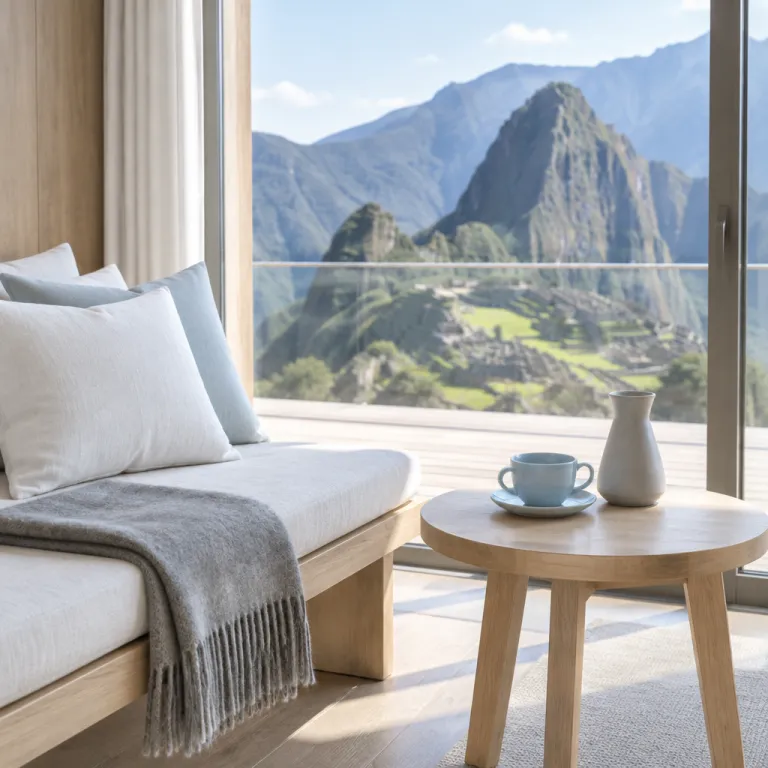
For many visitors, deciding what to do in Peru begins with a single image of Machu Picchu rising above the clouds. Luxury and premium hotels turn that dream into a seamless trip, coordinating trains, permits, and guides so you can focus on the experience rather than the paperwork. When you visit Machu Picchu from Cusco or the Sacred Valley, the right timing and route transform a busy site into a near private sanctuary.
High end properties in the Sacred Valley often arrange first light entries to Machu Picchu, when the citadel is quieter and the sun slowly touches each inca terrace. Guests can choose to hike gently up to the Sun Gate or explore the lower sectors with expert guides who explain how the inca city functioned centuries and years ago. Returning to your hotel by late afternoon, you can enjoy spa rituals that ease muscles after walking among the picchu stairways and temples.
Some travelers prefer to stay in luxury hotels in Cusco and make a long day trip to Machu Picchu. In that case, concierges coordinate early transfers to the train station, premium carriage seating, and private guides waiting on arrival. This style of travel peru suits people who want vibrant city evenings yet still access the best things at the citadel in a single, carefully paced day.
Beyond Machu Picchu, the Nazca Lines offer another extraordinary answer to what to do in Peru. From Lima, premium travelers often fly south along the coast of South America, then board small aircraft for scenic flights over the desert geoglyphs. Choosing a specialist operator through your hotel ensures safety standards, clear briefings, and comfortable lounges before and after the flight, and you can consult dedicated Nazca Lines flight experiences for luxury travelers when planning.
Many luxury hotels in Lima now integrate the Nazca Lines into multi day trip packages that also include Paracas and the Ballestas Islands. These itineraries combine aerial views of the lines with yacht excursions, coastal wine tastings, and desert picnics arranged by attentive staff. For travelers asking what to do in Peru beyond the usual city tours, this coastal arc offers a sophisticated contrast to highland adventures.
Other ancient sites such as Chan Chan near Trujillo and Chavín de Huántar in the northern highlands can be woven into longer peru itinerary plans. Premium hotels in these regions coordinate expert archaeologist guides who explain how these cultures flourished long before the inca era. When you visit Peru with this level of context, each stone wall and ceremonial plaza feels like part of a living narrative rather than a static ruin.
Curated hiking and adventure, from the inca trail to rainbow mountain
Active travelers often ask what to do in Peru when they want both comfort and challenge. The answer lies in carefully curated hikes, where luxury hotels support ambitious days on the trail with restorative evenings in refined surroundings. This balance is especially important on routes such as the inca trail and the paths around Rainbow Mountain.
For those drawn to the classic inca trail, premium outfitters now partner with high end hotels in Cusco and the Sacred Valley. Guests enjoy pre trek nights in spacious suites, then set out with well trained teams, gourmet camp meals, and high quality equipment that respects both comfort and the environment. After reaching Machu Picchu through the Sun Gate, many travelers return to a favourite valley property for deep tissue massages and quiet gardens overlooking the river.
Shorter hikes near Cusco and in the Sacred Valley also answer the question of what to do in Peru if you prefer day adventures. Hotels can arrange private transfers to trailheads above the valley, where you hike past terraces, villages, and salt mines before returning to the city by evening. These day trip options allow people to experience sections of ancient inca paths without committing to multi day camping.
Rainbow Mountain, or Vinicunca, has become one of the most photographed places to visit in the high Andes. Luxury hotels now offer carefully timed departures that avoid the busiest hours, along with oxygen, blankets, and hot drinks for the high altitude drive. Some itineraries include alternative routes to quieter coloured hills, giving you the best things about the landscape with fewer crowds and more time for photography.
For travelers who want detailed planning around the Machu Picchu hike distance and elevation, specialist resources such as this guide to planning the Machu Picchu hike distance for a refined Peruvian escape help align fitness levels with route choices. Luxury concierges then translate those preferences into concrete bookings, from train classes to specific entry slots at the citadel. This level of precision ensures that what to do in Peru on your hiking days always matches your abilities and expectations.
In northern Peru, Huascarán National Park offers glacier fed lakes and dramatic peaks that appeal to experienced hikers. Premium lodges in nearby towns coordinate guided treks to turquoise lagoons, with picnic lunches and private transport back to your suite. When you travel peru with this kind of support, even demanding hikes feel like part of a coherent, comfortable journey rather than isolated challenges.
Immersive sacred valley stays, salt mines, and lake titicaca extensions
Many travelers only pass through the Sacred Valley on their way to Machu Picchu, yet it is one of the most rewarding answers to what to do in Peru. Choosing to stay several nights in a luxury property here allows you to slow down and connect with the landscape. The valley’s altitude, light, and agricultural rhythms create a gentle counterpoint to the intensity of city life in Cusco.
High end hotels in the Sacred Valley often occupy restored haciendas or contemporary lodges surrounded by fields and mountains. From these bases, concierges arrange visits to the salt mines of Maras, where thousands of shallow pools shimmer in shades of white and pink. Guests can walk along safe paths above the salt terraces, learning how local families have harvested salt for many years ago and still manage the cooperative today.
Other curated experiences in the valley include private weaving demonstrations in Andean communities and guided visits to Ollantaytambo’s inca fortress. These activities help people understand how the inca organised agriculture, defence, and ceremony across the valley’s terraces and temples. When you return to your hotel, you might find a hot stone bath prepared, herbal infusions waiting, and a tasting menu built around local corn, quinoa, and trout.
For those asking what to do in Peru after Machu Picchu, extending your trip to Lake Titicaca is a natural choice. Luxury hotels on the Peruvian shore near Puno offer suites with wide windows facing the water, along with private boat excursions to islands such as Taquile and Uros. These day trip experiences focus on respectful cultural encounters, with small group visits and time to walk, talk, and share meals rather than rushed photo stops.
Some itineraries link the Sacred Valley, Lake Titicaca, and the Colca Canyon into a single overland journey across southern Peru. Premium trains and private vehicles connect each region, while hotels coordinate luggage transfers and flexible check in times. This style of travel peru lets you experience multiple highland landscapes without sacrificing rest, comfort, or the sense of continuity that makes a trip feel coherent.
When considering things in Peru that go beyond the headline sites, ask your hotel about seasonal agricultural activities. Planting and harvest periods in the Sacred Valley offer chances to join farmers in the fields, taste fresh produce, and understand how the valley remains sacred in daily life. These grounded experiences often become the best things people remember long after the more famous photographs have faded.
Luxury coastal and desert adventures, from lima to colca canyon
Peru is often associated with high mountains, yet its coast and deserts offer equally compelling answers to what to do in Peru. Starting in Lima, luxury travelers can combine world class dining with curated excursions along the Pacific shoreline. The city’s premium hotels act as hubs, coordinating everything from surfing lessons with expert instructors to private ceviche classes with acclaimed chefs.
From Lima, many people choose to travel south toward Paracas and the Ica desert. High end resorts in this region arrange yacht trips to the Ballestas Islands, where you can observe sea lions and seabirds before returning to chilled champagne on deck. Later in the day, private drivers take you into the dunes for sunset, where you might enjoy a candlelit dinner set up by your hotel team under a sky bright with stars.
Further inland, the Colca Canyon ranks among the deepest canyons in South America and offers a dramatic contrast to coastal scenes. Luxury lodges perched above the canyon provide thermal pools, spa treatments, and terraces where you can watch condors riding morning thermals. Guided hikes along the canyon rim or down to traditional villages give you a sense of scale and history, revealing how communities have farmed these steep slopes for many years ago.
For travelers building a longer peru itinerary, it is possible to connect Lima, Paracas, the Nazca Lines, and the Colca Canyon in a single arc. Premium hotels and operators coordinate flights, scenic drives, and overnight stays so that each segment feels unhurried. This approach to travel peru ensures that what to do in Peru along the coast and in the desert complements, rather than competes with, your highland experiences.
Along the northern coast, near Trujillo, luxury properties serve as gateways to the adobe city of Chan Chan and nearby beaches. Here, you can spend one day exploring pre Columbian palaces with an expert guide, then the next day relaxing in a cabana with refined service and fresh seafood. These combinations of culture and leisure show how the best things in Peru often emerge when you allow time for both learning and rest.
Whether you are drawn to surfing, paragliding, or simply walking quiet stretches of sand, coastal hotels can tailor activities to your pace. Concierges help you decide what to do in Peru on each day based on tides, weather, and your energy levels. The result is a trip where the city, desert, and ocean feel like chapters in a single, elegantly written story.
Culture rich stays and curated experiences through luxury hotel concierges
Choosing a luxury or premium hotel in Peru is not only about thread counts and views ; it is about access to meaningful experiences. The best concierges act as cultural interpreters, helping you decide what to do in Peru based on your interests rather than a generic checklist. They weave together city tours, valley excursions, and highland rituals into a coherent narrative that respects local communities.
In Lima, for example, concierges can arrange private gallery visits, meetings with chefs, or architecture walks that reveal how the city has evolved over hundreds of years. These tailored things in Peru go far beyond standard group tours, allowing you to ask questions and linger where your curiosity leads. Many hotels also offer in house tastings of Peruvian coffee, chocolate, and pisco, turning the property itself into a place to visit and learn.
In Cusco and the Sacred Valley, hotel teams often maintain close relationships with local artisans, musicians, and guides. This allows them to suggest what to do in Peru that feels authentic, such as attending a small Andean music performance or visiting a family run weaving workshop. Guests can explore the inca heritage not only through monumental sites like Machu Picchu but also through living traditions that continue in villages and markets.
For travelers interested in deeper cultural immersion, resources such as this article on cultural immersions through luxury and premium hotel booking websites in Peru provide valuable context. With that foundation, you can ask more precise questions when speaking with concierges about your peru itinerary. The result is a set of experiences that align with your values, whether you prioritise sustainability, gastronomy, or art.
Many high end hotels now integrate wellness and spirituality into their suggestions for what to do in Peru. You might begin a day with a coca leaf reading led by a local healer, then continue with a gentle hike to an inca site above the valley. Later, a spa therapist uses Andean botanicals in treatments that echo the landscapes you have just walked through, creating a subtle dialogue between outside and inside.
When you visit Peru with this level of curation, even simple activities such as a market visit or a short hike become layered experiences. Concierges help you understand why certain places to visit hold sacred meaning, how the inca organised their cities, and how communities adapt traditions today. Over time, the things in Peru that you remember most are often these quiet, well framed encounters rather than only the famous postcard views.
Planning, timing, and practical tips for a seamless luxury trip
Once you have a sense of what to do in Peru, the next step is aligning timing, altitude, and logistics. Luxury and premium hotels excel at this, turning complex routes into smooth sequences of transfers, check ins, and guided outings. Their expertise allows people to focus on the joy of travel peru rather than the mechanics of moving between city, valley, and coast.
Most travelers begin in Lima at sea level, then fly to Cusco and descend to the Sacred Valley for the first nights. This pattern gives your body time to adjust before tackling demanding hikes, whether on the inca trail, around Rainbow Mountain, or up to the Sun Gate at Machu Picchu. Hotels can monitor how you feel each day and suggest lighter or more active things in Peru accordingly.
When planning a peru itinerary that includes multiple regions, consider grouping experiences by altitude and theme. You might spend several days in the Sacred Valley exploring salt mines, terraces, and local markets, then move on to Lake Titicaca or the Colca Canyon for further highland adventures. Later, you can return to Lima or the northern coast to end your trip at sea level, where the city’s restaurants and ocean breezes provide a gentle landing.
Booking key elements such as Machu Picchu entry slots, inca trail permits, and Nazca Lines flights well in advance is essential. Luxury hotel teams or specialised agencies handle these details, ensuring that what to do in Peru on each day matches your confirmed reservations. This is especially important during peak months, when the best things can sell out quickly and last minute changes become difficult.
Travelers who value privacy often opt for private guides and vehicles, which allow flexible departure times and personalised pacing. This approach is particularly helpful for families, multi generational groups, or people who want extra time at specific places to visit, such as Chavín de Huántar or Chan Chan. With a private guide, you can ask detailed questions about inca engineering, colonial history, or how communities maintain traditions from many years ago.
As you refine your plans, keep returning to the central question of what to do in Peru that will feel meaningful to you. Luxury and premium hotels provide the framework, but your interests in food, hiking, archaeology, or art should shape the final route. When logistics, timing, and personal curiosity align, your trip becomes more than a list of sites ; it becomes a coherent story that connects Machu Picchu, the Sacred Valley, Lake Titicaca, the Nazca Lines, and every quiet moment in between.
Key figures for luxury and premium travel in Peru
- According to PROMPERÚ’s tourism statistics for 2019, international tourist arrivals to Peru exceeded 4.4 million visitors, with a significant share concentrating on Lima, Cusco, and the Sacred Valley as primary places to visit.
- Studies from the World Travel & Tourism Council (WTTC) show that in 2019 travel and tourism contributed around 7 % of Peru’s GDP, underlining how investments in luxury hotels and premium services directly support local employment and infrastructure.
- Data from Peru’s Ministry of Culture indicate that Machu Picchu received more than 1.5 million visitors in 2019, which is why timed entries and capacity limits are crucial for preserving the inca citadel and ensuring high quality guest experiences.
- Regional tourism reports highlight that Huascarán National Park, Lake Titicaca, and the Colca Canyon together attract hundreds of thousands of visitors each year, confirming their status as some of the best things to include in a diversified peru itinerary.
- Surveys of high end travelers in South America consistently reveal that personalized experiences, such as private hikes, curated culinary tours, and culturally sensitive village visits, rank among the top reasons to travel peru in the luxury segment.
FAQ about luxury and premium hotel based experiences in Peru
How many days do I need for a luxury trip to Peru ?
For a comfortable luxury itinerary that includes Lima, Cusco, the Sacred Valley, and Machu Picchu, plan at least 10 to 12 days. This allows time for altitude acclimatisation, unhurried city exploration, and one or two day trip extensions such as Rainbow Mountain or the Sacred Valley salt mines. Longer stays of two to three weeks make it easier to add Lake Titicaca, the Colca Canyon, or the Nazca Lines without feeling rushed.
Is it better to stay in Cusco or the Sacred Valley for Machu Picchu ?
Both options work well, but many luxury travelers split their time between the city and the valley. Cusco offers rich history, dining, and nightlife, while the Sacred Valley provides lower altitude, quieter nights, and easy access to sites like Ollantaytambo and Maras. A common strategy is to begin with several nights in the valley for acclimatisation, then finish with one or two nights in Cusco for museums and restaurants.
Can luxury hotels arrange permits and guides for the inca trail ?
High end hotels do not issue permits themselves, but they partner with licensed trekking agencies that manage inca trail permits, equipment, and guides. Your concierge can recommend vetted operators, coordinate dates, and align pre and post trek hotel stays. This integrated approach ensures that logistics, comfort, and safety are handled consistently throughout your trip.
Are private experiences available at Machu Picchu and other major sites ?
While sites like Machu Picchu, Chan Chan, and Chavín de Huántar remain public, luxury travelers can book private guides, dedicated transport, and carefully chosen entry times. These arrangements reduce waiting, avoid the busiest hours, and allow more in depth interpretation. Premium hotels and specialised agencies work together to secure these services well in advance, especially during peak seasons.
How far in advance should I book luxury hotels and key activities in Peru ?
For peak travel months, it is wise to reserve luxury hotels, Machu Picchu entries, and Nazca Lines flights at least six to nine months ahead. This is particularly important if you want specific room categories, private guides, or inca trail permits, which are limited. Shoulder seasons offer slightly more flexibility, but early planning still provides the best choice of dates, routes, and curated experiences.