Why birdwatching lodges on Peru’s Manu Road matter for serious travelers
Birdwatching lodges on Peru’s Manu Road sit on one of the richest birding transects on earth. This single ribbon of asphalt and dirt drops from the high Andes near Cusco to the edge of the Amazon lowlands, threading cloud forest, montane forest and humid jungle in a few unforgettable days. For a solo explorer planning a premium stay, this means you can move between several carefully chosen lodge options while keeping your focus on birds, wildlife and comfort rather than logistics.
The Manu Biosphere Reserve, often called simply the Manu biosphere, is a UNESCO biosphere reserve that protects more than 1,000 confirmed bird species along this corridor. Birding Manu Road is not about ticking a national park off a list ; it is about following birds as they shift with altitude, light and forest structure from 4,000 meters down to around 500 meters. “Bird species recorded along Manu Road” have been measured at around 1,000 species across this elevation range of roughly 3,100 meters, which is why birding lodges Peru Manu style have become a reference point for South America.
For travelers used to the Inca Trail or Machu Picchu as headline acts, Manu national territory feels like a different Peru entirely. Here the national conversation is about forest conservation, the reserved zone of the Manu National Park, and how each birding lodge can support research without sacrificing hot showers or good coffee. Growing interest in ecotourism, increased conservation efforts and advancements in birdwatching technology mean that the right lodge will now offer Wi-Fi in the lounge, a spotting scope on the deck and a guide who can separate similar species by call before the first white mist lifts from the canopy.
The cloud forest lodges: where Andean and Amazonian birds overlap
The upper Manu Road leaves Cusco in the early hours, then swings past highland fields before dropping into the first folds of cloud forest. This transition zone, between roughly 1,500 and 2,500 meters, is where Andean and Amazon bird species overlap, and where a well placed birding lodge can deliver 300 birds in a single day if conditions align. For luxury minded travelers, this is the stretch where you want smaller properties that cap group sizes, assign specialist birding guides and keep the focus on forest rather than on the bar.
Cock of the Rock Lodge, often written as Cock-of-the-Rock Lodge, is the reference property here and sits close to a famous lek of Peru’s national bird, the Andean cock of the rock. At dawn, guided walks from this lodge bring you to a hide where the bright white eye patches and flame plumage of males flash against the dark forest, while mixed flocks of tanagers, flycatchers and other birds move through the canopy above. When you compare this to a classic Machu Picchu stay, the difference is clear ; at Machu Picchu you share viewpoints with hundreds, while here you share a narrow trail with perhaps four other guests and a guide who knows every call.
Other cloud forest lodges along Manu Road, such as Rainforest Lodge near Chontachaca or Yanayacu Lodge, offer slightly different balances of comfort and immersion. Rainforest Lodge sits at around 600 meters above sea level, already feeling more Amazon than Andes, and works well as a first night stop on longer tours that continue toward the reserved zone of Manu National Park. When planning the best time to visit Peru for a combined Machu Picchu and Manu birding itinerary, it is worth reading a detailed guide on planning the best time to visit Machu Picchu for a luxury Peru stay, then aligning those dates with the end of the dry season when cloud forest trails are more stable.
Into the Amazon: Manu Bio-Lodge, Manu Pona Lodge and the lowland experience
Once the road levels out near the Madre de Dios basin, the forest changes character and so does your lodge experience. Here the air feels heavier, the canopy taller, and the soundtrack shifts from Andean thrushes to Amazonian tinamous, antbirds and the distant roar of howler monkeys. Birding lodges Peru Manu style in this zone are about long days on forest trails, river edges and observation platforms, then cool drinks and quiet data entry in the evening.
Manu Bio-Lodge is one of the most established options, with more than 50 kilometers of trails that cut through primary Amazon forest and secondary growth. This lodge works well for birding Manu itineraries of five to seven days, where you can alternate long tour days on foot with quieter day sessions on riverbanks or canopy towers, always with a guide who can pick out key species by call. Amenities remain simple but comfortable, with private rooms, mosquito nets and good food, while the real luxury is stepping from your room into a forest that still feels part of a living biosphere reserve.
Further along, Manu Pona Lodge is renowned for abundant birdlife and wildlife viewing, making it a strong choice for travelers who want a slightly more rustic but deeply immersive birding lodge. Here, tours often start before first light, with coffee and a quick snack before you head toward clay lick sites where parrots and macaws gather in white clouds of wings. If you are combining Manu with other regions such as Puerto Maldonado, Los Amigos or even the Pacific coast near Paracas, it is worth reading a broader guide to July and August experiences that work for different travel styles, then blocking at least four Peru days purely for Manu national territory.
How to choose the right Manu birding lodge for a luxury level stay
Choosing between birdwatching lodges on Manu Road is less about star ratings and more about matching your expectations to the forest. Some travelers want en suite hot water, strong coffee and a glass of white wine at sunset, while others care more about access to a specific clay lick or a particular section of forest where target species have been recorded. The key is to read lodge descriptions carefully, then speak with operators who know each property and can translate birding language into real world comfort levels.
For example, Cock-of-the-Rock Lodge offers comfortable cabins, reliable hot showers and excellent guiding, but it sits in cloud forest rather than deep Amazon, so wildlife sightings skew toward mixed flocks and Andean mammals rather than giant river otters. Manu Bio-Lodge and Manu Pona Lodge, by contrast, place you in lowland Amazon forest where wildlife density feels higher, but humidity and insects are more intense and you will appreciate good insect repellent and lightweight long sleeved clothing. Yanayacu Lodge offers a more rustic experience with diverse wildlife sightings, which can suit solo explorers who value immersion and flexible tours over polished finishes.
Group size is another critical factor for birding Manu itineraries, especially if you are traveling alone and joining shared tours. Birding is inherently a small group activity, and the best lodges cap groups at six to eight guests per guide, which means you will not miss shy species because someone is talking loudly on the trail. When comparing options, ask how many tour days are focused purely on birding, how many are mixed wildlife and cultural experiences, and whether the lodge works with local conservation organizations or research institutions so that your travel spend supports the wider Manu biosphere.
Practical planning: optics, timing and linking Manu with the rest of Peru
Manu is not a quick side trip ; it is a commitment of time, energy and curiosity, and that is exactly why it rewards serious travelers. Most birding tours along Manu Road run from four to eight days, starting and ending in Cusco, with long driving days at the beginning and end that are softened by birding stops and dramatic views. If you are used to short city breaks, think of this as a slow motion expedition where each day adds new species, new forest types and new stories to your Peru journey.
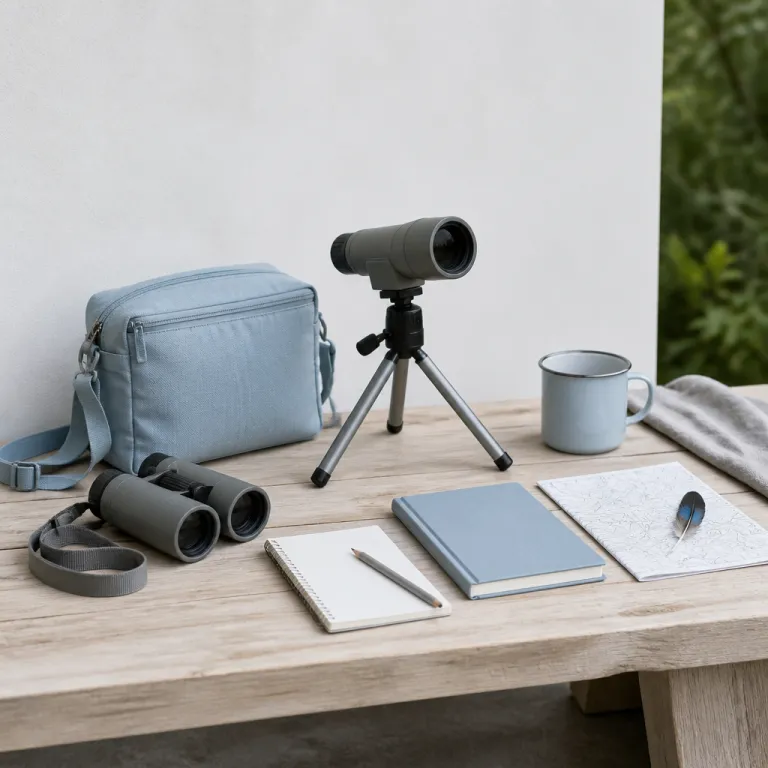
Optics matter here, and while lodges often provide a shared spotting scope, you will want your own binoculars with at least 8x or 10x magnification. A lightweight camera with a 300 millimeter lens or more will help you capture birds without carrying a full professional kit, and a simple field guide or offline app will make it easier to log species during midday rest periods. Bring insect repellent, breathable long sleeved shirts and trousers, and be ready for variable weather conditions as you move from cool cloud forest to warm Amazon lowlands in a single tour.
Timing is another strategic decision, and while the area is technically a year round destination, the dry season offers more stable trails and easier river travel. “What is the best time to visit Manu Road for birdwatching?” is often answered as “Year-round, with optimal conditions during dry season.” If you are building a longer south America itinerary that includes the Inca Trail, Machu Picchu and perhaps the desert coast around Paracas where condors and sea lions share the view, consider reading a detailed feature on desert coast hotels with strong wildlife credentials so that your Peru days flow logically from high Andes to Manu biosphere to Pacific.
Conservation, comfort and what your stay in Manu really supports
Every night you spend in a Manu birding lodge is also a vote for a particular model of conservation and community engagement. Many of the lodges along Manu Road work with local conservation organizations, research institutions and tour operators to monitor wildlife, maintain trails and support nearby communities through employment and training. When you choose a lodge that invests in these partnerships, your travel budget helps fund the long term protection of the forest and the birds you came to see.
Some properties, such as Manu Bio-Lodge and Manu Pona Lodge, integrate eco friendly practices into daily operations, from solar power and waste management to careful control of group sizes on sensitive trails. Others focus on education, offering evening talks on Manu National Park, the reserved zone regulations and the role of the Manu biosphere within the wider Amazon basin. As a guest, you can ask direct questions about how your stay contributes to conservation funding and awareness, and whether the lodge participates in citizen science projects that track bird populations over year to year cycles.
For solo explorers, this transparency builds trust and turns a comfortable stay into something more meaningful. You are not just counting birds on a checklist ; you are supporting a biosphere reserve that still holds some of the most intact forest in Peru and south America. When you leave Manu and return to Cusco, Puerto Maldonado or even Lima, you carry not only photographs of cock of the rock males and macaws at a clay lick, but also a clearer sense of how thoughtful travel can keep these forests standing for the next generation of birders.
FAQ
How many days do I need for a Manu birding lodge itinerary ?
Most travelers should plan at least four to six days for a Manu birding lodge itinerary, starting and ending in Cusco. This allows one day for the drive into the cloud forest, two or more full days in lowland Amazon forest, and a final day to return, with enough time for birding stops along the Manu Road. Shorter trips are possible but will feel rushed and may limit your chances of seeing key species.
What is the best time of year to visit Manu for birding ?
Manu can be visited throughout the year, but the dry season generally offers the best balance of accessibility and bird activity. Trails are less muddy, river levels are more predictable, and many species are easier to see as foliage is slightly thinner. Lodge operators often recommend late dry season for a mix of resident birds and the first movements of migrant species.
Are guided tours essential, or can I bird independently from the lodges ?
Guided tours are strongly recommended, even for experienced birders, because local guides know the calls, microhabitats and daily rhythms of Manu’s birds. Most lodges offer a mix of guided tours and time for independent exploration on marked trails or observation platforms. Independent birding is possible around the lodge grounds, but you will see far more species with a specialist guide.
What level of comfort can I expect at Manu birding lodges ?
Comfort levels vary by lodge, but most birding lodges on Manu Road offer private or semi private rooms, mosquito nets, good meals and hot showers in at least part of the property. Cloud forest lodges such as Cock-of-the-Rock Lodge tend to feel slightly more polished, while deeper Amazon lodges like Manu Bio-Lodge or Manu Pona Lodge prioritize immersion in wildlife over high end finishes. If you need specific amenities, confirm details with the operator before booking.
Do Manu lodges provide birding equipment such as binoculars or scopes ?
Many lodges provide at least one shared spotting scope for group use during tours, and some guides carry additional optics. However, guests are expected to bring their own binoculars, as personal optics greatly improve the experience and allow you to follow birds independently. Field guides and bird lists are usually available on site, and some lodges can recommend birding apps that work offline.