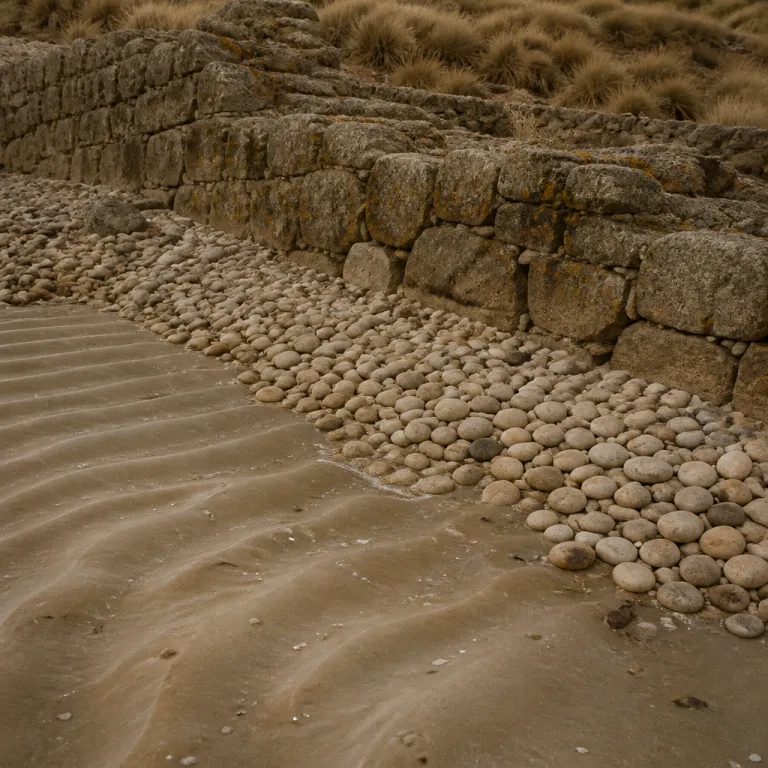
Why peru altitude itinerary acclimatization matters for luxury family travel
Most premium travellers arrive in Peru dreaming of Machu Picchu and the Sacred Valley, not of altitude sickness or oxygen masks. Yet the way you design your peru altitude itinerary acclimatization will decide whether your family is admiring an Inca stone wall or lying in bed with pounding symptoms. Think of altitude as another layer of hospitality planning, as critical as room category or connecting suites.
Rapid ascents from sea level to high altitude stress the body, especially in Cusco where the official cusco elevation reaches about 3,400 metres. Healthcare providers define altitude sickness as “A condition caused by rapid ascent to high altitudes, leading to symptoms like headache and nausea.” When families ignore acclimatization days, even mild symptoms such as light sickness or shortness of breath can derail a carefully booked trek or a long anticipated visit to Machu Picchu.
In Peru the classic circuit often jumps straight from Lima at meters sea level to the high elevation of Cusco in under an hour of flight time. That leap from sea level to altitude cusco gives the body no time to adjust its oxygen levels, which is why sickness Cusco is so common in the first day or two. A smarter peru altitude itinerary acclimatization treats elevation like a staircase, climbing through several mountain destinations so your body quietly learns to thrive in high altitude air.
The altitude staircase: from Lima to Arequipa and the Sacred Valley
Designing a protective peru altitude itinerary acclimatization starts at sea level, where Lima’s coastal air lets your body rest after a long haul flight. Spend a day or two in the capital, using a curated hotel in Miraflores or Barranco as your base and consulting a detailed neighbourhood hotel guide such as where to stay in Lima. At this stage there is no altitude sickness risk, so you can focus on cuisine, museums and adjusting children’s sleep cycles.
The next step in elevation can be Arequipa, a graceful mountain city sitting around 2,335 metres above meters sea level. Here the altitude is high enough to start acclimatization but low enough that most travellers experience only mild symptoms, if any, while enjoying views of the surrounding volcanoes. Luxury properties with gardens and pools allow the body to rest between gentle walking tours, and tour operators can arrange oxygen if needed for guests who feel early sickness Peru effects.
From Arequipa, many families continue the altitude staircase to the Sacred Valley rather than jumping straight to Cusco altitude levels. The valley floor lies around 2,800 metres, which makes it an ideal high altitude transition zone for both adults and children. For travellers seeking quiet luxury in the countryside, properties such as those highlighted in this guide to quiet luxury in the Peruvian countryside offer spacious rooms, oxygen enriched suites and slow paced activities that respect the body’s acclimatization process.
The Sacred Valley first strategy: hotels that help you acclimatise
Choosing the Sacred Valley before Cusco is the single most effective tweak you can make to any peru altitude itinerary acclimatization. At around 2,800 metres, the valley’s elevation gives your body a softer introduction to high altitude than the full 3,400 metres of Cusco. Families often report fewer symptoms here, especially when they schedule relaxed days with limited exertion.
High end properties in the Sacred Valley understand altitude sickness and quietly build acclimatization into their service culture. At Tambo del Inka in Urubamba, for example, many rooms can be supplied with supplemental oxygen, and staff are trained to recognise early sickness Peru warning signs in guests. Sol y Luna and Hacienda Urubamba offer wide terraces at just the right feet meters range for gentle walks, letting the body adapt its oxygen levels while you watch the light shift across the mountain slopes.
From these valley bases you can explore Inca sites at moderate elevation before tackling the higher cusco altitude. Short excursions to Pisac or Ollantaytambo combine Inca history with manageable elevation gains, which is ideal for children and older travellers. For readers interested in the most dramatic high elevation viewpoints, a separate guide to where to stay for the most spectacular views in Peru can help you choose rooms that frame the mountains without overtaxing the body.
Children, coca tea and the science of acclimatization
Families planning a peru altitude itinerary acclimatization need to think differently about children’s physiology. Young bodies respond to high altitude in their own way, and paediatric guidelines generally advise caution for babies under two years old at any high elevation. For children under ten, gradual ascent and extra acclimatization days are essential, especially before ambitious experiences such as a trek Machu or a visit to Rainbow Mountain.
Medical data show that the body typically needs several days at each new elevation to adjust its oxygen use. Recommended methods include gradual ascent, good hydration and rest days, supported when necessary by altitude sickness medication prescribed by healthcare providers. Many travellers ask whether coca tea is a cure, but the science suggests it is more cultural ritual than treatment, and it should never replace proper acclimatization or medical advice when symptoms of sickness Peru appear.
Portable oxygen can be a useful comfort tool, particularly at night when oxygen levels naturally dip, but it does not replace the need for a well designed peru altitude itinerary acclimatization. Tour operators and luxury hotels in Cusco and the Sacred Valley often keep oxygen on hand for guests who feel mild symptoms such as headache or nausea. As awareness grows, more travellers are choosing itineraries that respect altitude cusco realities rather than racing from sea level to the highest mountain destinations in a single day.
A 14 day ascent: from sea level to Cusco at 3,400 metres
This sample peru altitude itinerary acclimatization shows how to climb from sea level to Cusco’s 3,400 metres while protecting your trip. On Day 1 you arrive in Lima at meters sea level, check into a luxury hotel in Miraflores and sleep, resisting the temptation to plan a late night. Day 2 is for light city exploration, ceviche lunches and early bedtimes, giving the body a calm baseline before any altitude exposure.
On Day 3 you fly to Arequipa at around 2,335 metres, where the mountain air is crisp but not yet extreme. Day 4 is a rest and culture day, with slow walks through the historic centre and plenty of water to support acclimatization, while hotel staff quietly monitor guests for any altitude sickness symptoms. Day 5 you travel to the Sacred Valley at roughly 2,800 metres, checking into a property such as Tambo del Inka or Sol y Luna for two or three days of gentle Inca site visits and poolside recovery.
By Day 8 your body is ready for the full cusco elevation of 3,400 metres, so you transfer to a central luxury hotel that offers oxygen and trained staff. Day 9 can be a low key city day, while Day 10 is reserved for Machu Picchu at 2,430 metres, reached by train and short trek sections if desired. Days 11 to 14 allow time for an Inca Trail style day hike, a carefully paced excursion to Rainbow Mountain or even an extension to Lake Titicaca, always remembering that “Ascend gradually.”, “Stay hydrated.”, “Avoid alcohol.” and “Rest adequately.”
FAQ
What is altitude sickness and how does it affect travel in Peru ?
Altitude sickness is defined as “A condition caused by rapid ascent to high altitudes, leading to symptoms like headache and nausea.” In Peru it most often appears when travellers fly directly from sea level to high altitude cities such as Cusco without acclimatization days. A well planned peru altitude itinerary acclimatization that includes intermediate stops like Arequipa or the Sacred Valley greatly reduces the risk of sickness Cusco and keeps symptoms mild if they appear.
Is Cusco higher than Machu Picchu and Rainbow Mountain ?
Cusco sits at about 3,400 metres, which means the cusco altitude is higher than both Machu Picchu and the Sacred Valley. Machu Picchu lies around 2,430 metres, while Rainbow Mountain excursions often reach elevations above 5,000 metres for short periods. This difference explains why some travellers feel better at Machu Picchu than in Cusco, and why Rainbow Mountain should only be attempted after several acclimatization days.
How many days should I plan for acclimatization before trekking ?
Most healthcare providers and experienced tour operators recommend at least two to three days at moderate elevation before any demanding trek. For routes similar to the Inca Trail or a challenging trek Machu experience, spending time in the Sacred Valley before sleeping at cusco elevation gives the body a safer progression. Families and travellers with previous sickness Peru episodes may benefit from even more acclimatization days and should consult medical advisors.
Can coca tea or oxygen completely prevent altitude sickness ?
Coca tea is a traditional drink in high altitude regions of Peru, and many hotels offer it on arrival in Cusco or the Sacred Valley. While it can feel comforting, coca tea does not replace a structured peru altitude itinerary acclimatization or medical treatment when symptoms become serious. Supplemental oxygen can ease discomfort temporarily, but only gradual ascent, rest and proper hydration truly help the body adapt to reduced oxygen levels.
Should families with young children avoid high altitude destinations in Peru ?
Families do not need to avoid high altitude entirely, but they should design itineraries with extra caution and more acclimatization days. Babies under two years old and some children under ten may be more sensitive to high elevation, so parents should discuss plans with healthcare providers before booking. Choosing the Sacred Valley before Cusco, limiting exertion in the first days and staying in hotels experienced with altitude sickness management all help protect younger travellers.